
 When you’re starting to drown between employee concerns, payroll duties and helping your CEO -- HR Insider is there to help get the logistical work out of the way.

On a cold Monday morning last winter, an HR director in Alberta sat across from a frustrated employee during what she expected to be a routine conversation. The employee, a talented analyst in his second year with the company, was angry. He said his manager checked in too often, asked for updates, and questioned timelines. “I am being micromanaged,” he said with real emotion in his voice.
The HR director knew the manager well. He was steady, fair, and thoughtful. When she pressed for examples, the employee eventually admitted that his manager had asked for a weekly progress update on a critical project that was already behind schedule. Nothing more. The employee had confused micromanaging with managing. He had mistaken accountability for control. The HR director later reflected that this single moment perfectly captured the leadership conversations happening across modern workplaces. Employees carry different expectations. Leaders adopt different philosophies. Cultures shift quickly. Words like empowerment and transparency sound good until they collide with a missed deadline or the need for a firm decision.
This is the real world where leadership happens. Not in models, not in frameworks, but in the space between what people want and what organizations need. That is why it is worth looking honestly at the three dominant leadership philosophies that shape workplaces today: traditional leadership, servant leadership, and conscious leadership. Each has strengths. Each has blind spots. And none of them, on their own, fully meet the demands placed on managers in 2026.
Why Leadership Philosophies Become Overly Idealistic
Every leadership movement comes from a place of genuine need. Conscious leadership emerged because people were tired of rigid, corporate personas. Servant leadership gained momentum because employees wanted humanity and respect. Traditional leadership stayed relevant because someone still must set direction, make decisions, and manage risk.
The trouble is that these models often get romanticized. Leaders think adopting a philosophy will solve cultural pain points. Employees expect leadership styles to match their personal preferences. Reality is messier.
One organization surveyed more than two thousand employees and found that preferences were split evenly. Some wanted clear authority. Some wanted coaching and collaboration. Some wanted leaders who shared openly and invited emotional dialogue. No single philosophy could satisfy the diversity of expectations.
This is why understanding the advantages and limits of each model matters. Leaders who cling too tightly to one approach often create the very problems they are trying to avoid.
Traditional Leadership: Clear Direction That Can Become Too Firm
Traditional leadership is sometimes dismissed as outdated, but in many sectors, it remains the foundation of good management. Factories, logistics networks, financial services, healthcare, government operations, and safety-critical environments still rely on leaders who create structure and clarity.
A national distribution company in Ontario discovered this after encouraging supervisors to take a more collaborative approach. Productivity slipped and incident rates rose. Employees hesitated to act because they were waiting for consensus that never materialized. The company returned to a clearer, more directive style.
Traditional leadership delivers consistency, speed, and confidence during urgent situations. Yet if it is overused, people feel silenced. Innovation slows. Younger workers, who grew up with participatory learning, may interpret firm direction as inflexibility.
Servant Leadership: Supportive Cultures That Can Drift Toward Avoidance
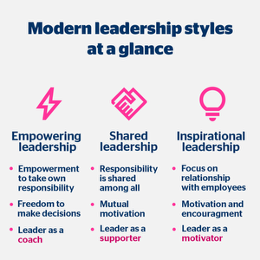
Servant leadership places people first. Leaders remove obstacles, provide encouragement, and focus deeply on development. Many HR professionals gravitate toward this philosophy because it aligns with coaching, psychological safety, and employee well-being.
There is compelling evidence that servant leadership can improve morale and retention. Teams often feel valued and trusted. Employees describe their leaders as empathetic and encouraging.
But even generosity has a downside. A nonprofit executive once reflected, “I spent so much time supporting the people around me that I avoided performance conversations until it was too late.” High performers noticed. Underperformers were not challenged. Trust eroded, not because the leader lacked caring, but because support replaced accountability.
Servant leadership shines when paired with firm standards. It falters when empathy is allowed to dilute expectations.
Conscious Leadership: Authenticity With Real-World Limits
Conscious leadership focuses on presence, emotional honesty, and thoughtful communication. In many workplaces, employees welcome this shift. They want leaders who acknowledge stress, admit mistakes, and speak transparently about challenges.
A fast-growing software company in Vancouver saw engagement scores rise after introducing conscious leadership sessions. Employees said it felt refreshing to collaborate with managers who discussed burnout openly and encouraged honest conversations.
Yet as the company scaled, problems appeared. Meetings became emotional marathons. Engineers felt pressured to participate in discussions they did not want. One developer said he began “managing up emotionally” just to get through the week. Deadlines slipped, tension rose, and HR had to redesign the program so that authenticity did not overshadow execution.
Conscious leadership provides humanity but can create confusion when leaders share too much or hesitate to make decisive calls. Emotional presence is important, but so is speed, clarity, and healthy boundaries.
Why The Best Leaders Blend Rather Than Choose
Few workplaces operate smoothly with only one leadership model. Cultures are diverse. Industries have different pressures. Teams have diverse needs. Even within the same department, one employee may thrive under a directive leader while another avoids conflict and prefers gentle guidance.
Leadership becomes most effective when it is flexible.
- During a crisis, people want someone to take charge.
- During emotional tension, they want someone calm and self-aware.
- During development discussions, they want a coach.
- During performance issues, they want fairness and firmness, not open-ended dialogue.
A senior HR consultant summarizes it this way: “Leaders get into trouble when they fall in love with a philosophy instead of reading the room.”
Good leadership is not rigid. It is responsive. It adjusts to context without losing consistency. It balances compassion with boundaries. It supports and challenges in equal measure. It teaches employees that accountability is not micromanagement and that structure is not a lack of trust.
A Practical, Realistic Path Forward
Leadership philosophies will continue to evolve, but the core truth remains steady. Workplaces function best when leaders are human without losing authority, compassionate without losing standards, and transparent without losing judgment.
The future of leadership is not about choosing conscious, servant, or traditional leadership. It is about blending them with intention. The role of HR is to help leaders understand these models not as fixed identities but as tools. When leaders use the right tool at the right time, cultures become more stable, more equitable, and more resilient.



